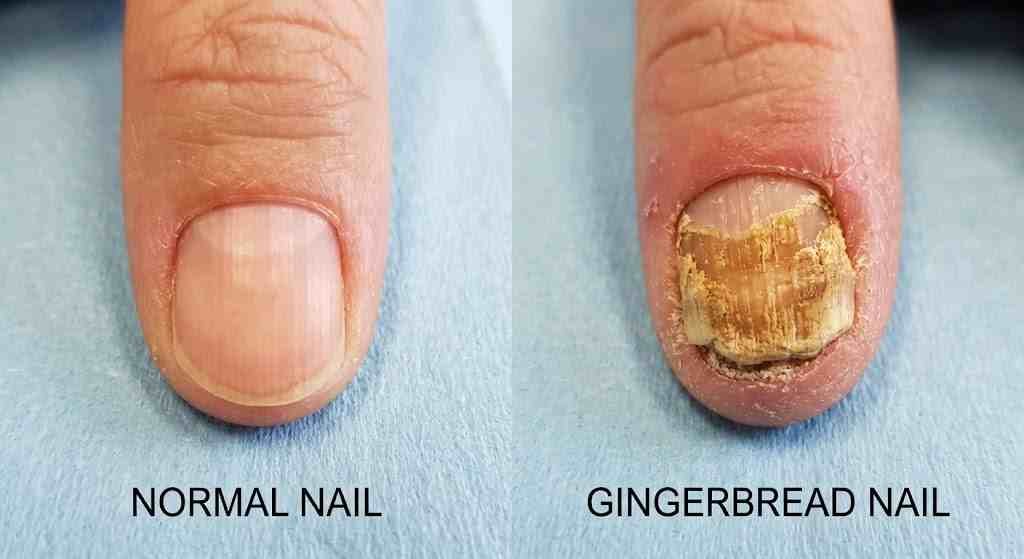
Quick Answer: Gingerbread nail disease is a casual name for a fungal nail infection (onychomycosis) that causes nails to turn thick, warm brown, and crumbly. It begins with lost nail shine and minor thickening, progressing to a rough, cake-like texture that requires topical or oral antifungal treatments.
In the world of social media, people search and talk about various topics, especially when it comes to health and fitness. Like any other topic, gingerbread nail disease recently gained public attention because of its distinctive appearance and potential health connections. The name isn’t common but harmless, as the condition is far from a festive term. When this disease happens, the color of nails and texture get changed. The nail became thick and turned into a brownish colour and rough surface of gingerbread.
When people face these nail issues, they directly connect them to fungal infection, nutrient deficiency, and another health issue. Understanding why nail change is important because it shows the body has some issues. A nail disease can happen because of many reasons, like fungal overgrowth, low immunity, bad nail hygiene, etc. However, noticing symptoms and going for the treatment is better than making it complicated.
In this article we will discuss in detail the topic of gingerbread nail disease. What is this actually? What are the main causes of this nail disease, how to manage it, and what to do to prevent it so you can understand each and everything about it?
What Are Gingerbread Nails?
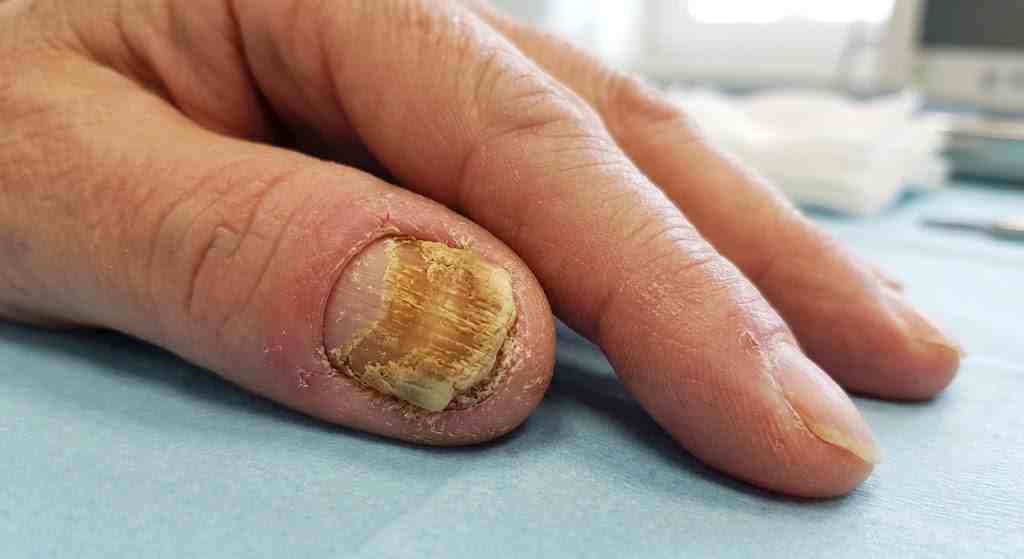
Gingerbread nails are considered a nail condition in which the nail makes a warm brownish discolouration with a rough, crumbly texture, and the outer edge of the nail becomes thicker as compared to a normal nail, which looks similar to gingerbread. Not an official medical term, but a way to describe how people explain nails that look dark, uneven, dry, and not healthy. This disease indicates a problem such as fungal infection, nutrient deficiency, or chronic nail damage.
To keep your nails healthy is important, as nails aren’t just a cosmetic feature, but when your nails look good and healthy, it means you follow proper hygiene, have strong immunity and have proper nutrition in the body. When a nail suddenly changes the colour or texture or it becomes thick, this is considered a warning sign of a health issue like poor circulation, vitamin deficiencies, or skin disorders. This is why it’s important to understand why a nail changes to something like gingerbread or gets discoloured.
Many people confuse gingerbread nail disease with other nail conditions like fungal nail infections, smoker nails, or nail staining from henna, turmeric, or nail polish. All these nail conditions are very similar to gingerbread. That’s why people mix and get confused over it; however, it’s important to understand what the true cause of gingerbread-like changes is so you can take precautions and solve the problem correctly.
What Gingerbread Nails Disease Refers To?
Gingerbread nail disease is a noticeable change in the nail from developing a hue and rough texture to a thickened appearance. The nail resembles a gingerbread because of the color change and shape. This disease isn’t a part of the medical world; however, it is a perfect explanation of a dry, damaged, and structurally broken nail taking place because of some health reasons like fungal infections, chronic moisture exposure, or nutrient deficiencies.
This disease includes several nail changes. The first one is color change when the nail turns warm, brown, yellow-brown, or another deep shade. The second change is the texture when the nail appearance became rough, dry, and uneven. The third change is the structural change when the nail became harder and thicker in shape as compared to a normal nail. The worst and last change is progressive damage when the nail plate is lifted from the nail place in rare cases. All these changes are a part of the definition of the gingerbread look.
Different forms or stages of gingerbread nail disease
| Stage | Form / Name | Key Visual Indicators | Texture & Physical Changes | Management Approach |
|---|---|---|---|---|
| Stage 1 | Early Onset (Distal Subungual) | Small white, yellow, or soft tan spots at the edge of the nail. | Smooth surface; minimal to no thickening. | Daily hygiene, keep area dry, apply over-the-counter topical antifungals. |
| Stage 2 | Moderate Progression | Warm brown or amber discoloration spreading toward the cuticle. | Mild thickening, slight brittleness along edges. | Prescription topical antifungal lacquers, routine nail trimming. |
| Stage 3 | Classic “Gingerbread” Form | Deep brown-tan hue with uneven, cake-like surface, resembling baked gingerbread. | High thickening, chalky debris under nail plate, crumbly texture. | Dermatologist consultation, potential oral antifungal therapy. |
| Stage 4 | Advanced / Total Dystrophic | Dark brown-black discoloration across the whole nail plate. | Severe distortion, nail splitting or lifting from nail bed (onycholysis). | Medical debridement (filing down thick nail) alongside systemic oral treatment. |
How Gingerbread Nails Got Their Name?
The term “gingerbread nails” is a visual way to explain a very rare type of nail change they resemble with gingerbread. People online discussing the nail disease on different forums and communities give it when their nail becomes brown in color and gets dry and thick; then it is not given by medical professionals but is given. When the discussions become long, the topic gains public attention because it provides complete explanations of why the nail looks like this.
People started talking about the topic when they saw their nails change colors from dark brown to brown or yellow-brown with a rough, uneven surface, clicking in the mind that the nail looks like something like a gingerbread. If you look at the traditional gingerbread, you may find that the color and texture are the same as this nail condition. This is why people think that it is a perfect name for it. I search about this disease, and I see many people posting different nail photos and talking about the symptoms and naming this condition as gingerbread nails.
The name “gingerbread nail” completely fits with this nail condition, and it’s very easy—you can say memorable. It is very helpful for people now to quickly identify early symptoms and understand that it signals deeper nail health issues.
What Gingerbread Nails Look Like?
Gingerbread nails have a very easy and noticeable look that makes it easy to understand the disease, as it includes many changes in nails like color, texture, and structure, which all together look the same as a gingerbread. Here’s a clear explanation of the key features:
1. Brown or Warm-Tone Discoloration
When the nails are turning in gingerbread nail, the first visible sign is the change in color. Mostly people notice the nail color changes to light brown, yellow-brown, deep ginger, or caramel shades. This sudden color change is visible and found in different areas of the nail. This color is very different from henna or nail polish, and it gets pale and uneven on different sides of the nail.
2. Thick or Hardened Nail Plate
The gingerbread nails are very thick and hard as compared to a normal nail. The possible reason behind it is the nail cells start piling up irregularly because of nutrient imbalance in the body or by a fungal activity. You may feel the nail is very long, and it can’t cut easily. In many cases the nail may curve or press uncomfortably against the nail bed.
3. Dry, Crumbly Texture
Another change that occurred in the gingerbread nail was the change of the surface when the nail became more dry, flaky, powder-type, matte, and very similar to a gingerbread. This can happen because of dehydration or poor nail keratin, which leads to breaking nail layers easily.
4. Uneven Surface or Ridges
The main irregularity you may notice when a normal nail turns into a gingerbread one is that it develops ridges, grooves, or small bumps. This happens because a nail is growing wrong. It may be the main reason behind it is stress, infection, or nutritional problems.
5. Brittle or Peeling Edges
The edges of nails became very thin and can be easily broken. You may notice peeling layers at the tips or chipped edges. Also, the parts of the nail start flaking off. This problem occurs when the nail plate becomes weak, leading to easy damage in daily basis.
Early Warning Signs Before Discoloration Appears
No sign occurs before the gingerbread nail disease happens. Usually it gives some indications before it starts that many people don’t notice. Here are the first symptoms that often appear:
| Progression Category | Specific Sign / Symptom | Physical Presentation & Details |
|---|---|---|
| Early Warning Signs | Dull, Lusterless Surface | Loss of natural healthy sheen; surface turns chalky, opaque, or matte. |
| Increased Brittleness | Edges chip, split, or fray easily during routine trimming. | |
| Surface Texture Shifts | Subtle horizontal or vertical ridges and rough, uneven texture. | |
| Subungual Keratin Buildup | Soft, white or yellowish chalky debris collects under the free edge. | |
| Early Nail Separation | Micro-lifting of the nail tip or corner from the underlying bed. | |
| Advanced Visual Signs | Warm Brown / Tan Discoloration | Development of signature gingerbread-like color across the nail plate. |
| Severe Plate Thickening | Nail becomes dense and overgrown, making standard clippers ineffective. | |
| Crumbly / Cake-Like Texture | Surface becomes flaky, uneven, and breaks apart into chalky pieces. | |
| Complications & Discomfort | Foul Odor | Slight to moderate unpleasant smell caused by trapped fungal debris. |
| Localized Pain & Tenderness | Discomfort under the nail bed or cuticle when applying pressure or wearing closed shoes. |
Conditions Commonly Mistaken for Gingerbread Nails
Since the symptoms of gingerbread nail are quite similar to other nail diseases, so many people think they get those disorders instead of gingerbread. This confusion delays the treatment and makes the condition worse, so it’s better to understand which nail problem you are facing, like if it is the change in nail, which includes the brown, rough, or thickened appearance of gingerbread nails. Here are the most similar conditions:
1. Psoriasis
In this nail condition the nail causes pitting and turns into a roughy and thick texture with discoloration the symptoms are very similar to gingerbread nails. However, there are some more symptoms a psoriasis nail shows, like small dents or pits, chalky white or brownish patches, and detachment from the nail bed. The main difference is psoriasis is an inflammatory skin condition, and gingerbread nail disease takes place from fungal infections and nutrient issues.
2. Fungal Infections
Many people make the mistake of thinking a condition like gingerbread is a fungal infection because in a fungal infection the symptoms are very close to gingerbread, like brown, yellow, or dark discoloration, crumbly, flaky texture, and thickness on the nail plate.
3. Eczema
Chronic eczema around the nails can lead to dryness, brittleness, rough spots, and mild discoloration, similar to gingerbread, so people get confused. However, there are some other symptoms, like cracked cuticles, rough nail surfaces, and fragile and peeling nail edges. The main difference between eczema and gingerbread nail is in eczema; the nail colour doesn’t change to brown.
4. Melanonychia
In this nail condition, that same discolouration occurs because of the increase in melanin production. The colour includes brown or black streaks and bands of pigmentation running vertically. Many people get confused because of nail color; however, melanonychia doesn’t cause crumbling, thickening, or roughness like gingerbread.
5. Yellow Nail Syndrome
The main colour discolouration appear in this condition is the nail turning yellow at first and then later to brownish in severe cases, which makes people confused about what condition they are facing. However, yellow nail syndrome also includes other symptoms like thick, slow-growing nails, curved or opaque nail plates, and even chronic swelling in fingers or feet, which is worse than gingerbread nail symptoms.
| Condition | Visual Similarity to Gingerbread Nails | Key Distinguishing Features | Primary Cause |
|---|---|---|---|
| Nail Psoriasis | Yellow-brown discoloration (“oil drop” spots) and nail thickening. | Features tiny surface pits, red/pink borders around spots, and affects multiple nails simultaneously without crumbling debris. | Autoimmune response. |
| Pseudomonas Infection (Green Nail Syndrome) | Dark discoloration and spotty appearance on the nail plate. | Color presents as distinct blue-green or dark blackish-green rather than warm tan or brown. | Pseudomonas aeruginosa bacterial infection (often trapped under acrylics). |
| Subungual Melanoma | Dark pigmentation under the nail plate. | Appears as a single vertical dark band (pigment stripe) extending into the cuticle (Hutchinson’s sign) without thickening or crumbling. | Malignant skin cancer affecting the nail matrix. |
| Traumatic Subungual Hematoma | Dark reddish-brown or blackish spot under the nail. | Discoloration appears suddenly after physical impact (injury) and slowly grows out with normal nail growth. | Pooled blood from broken capillaries under the nail bed. |
| Onychogryphosis (“Ram’s Horn” Nails) | Extreme thickening, yellow-brown color, and rough texture. | The nail severely curves and hooks like a claw or ram’s horn rather than crumbling uniformly into a cake-like texture. | Chronic trauma, aging, or severe neglect. |
| Lichen Planus of the Nail | Longitudinal ridging, thinning, and brownish staining. | Leads to longitudinal splitting, thinning, and scarring (pterygium formation) rather than heavy thick scaling. | Inflammatory autoimmune disease. |
Medical Treatment Options for Gingerbread Nails
The treatment of gingerbread nails depends on understanding what issue caused these nail changes. Medical treatment includes a number of therapies and the best care to make nails get back to their original color and structure. Here are the main options doctors may recommend:
1. Antifungal Medications
If the cause of gingerbread nails is related to fungal infection, the first treatment a doctor can prescribe is antifungal medications. It will help in removing infection from nails and make the nail get back to its original form. If the nail doesn’t get normal from the medication, then the doctor will prescribe some treatments like terbinafine or itraconazole. Both these take several weeks to months depending on nail condition.
2. Topical Creams or Ointments
If you face a mild fungal infection or surface nail issues, then the doctor will prescribe some antifungal cream, ointments, and nail lacquers. All these items can help in reducing infection and improve overall nail texture.
3. Laser Nail Treatment
For stubborn fungal infection and thicker nails, the doctor will also suggest laser therapy. The laser helps in eliminating infection without damaging tissue. It also helps in the growth of healthy nail cells.
4. Prescription Supplements
If you face gingerbread nail disease because of nutrition deficiencies, then the doctor may suggest you take supplements such as biotin, zinc, iron, or multivitamins. All these supplements will correct the deficiencies and lead to better and stronger nails.
5. Treating Underlying Health Conditions
Sometimes gingerbread nails can be a result, or you can say, an early sign of serious health problems like thyroid disorders, diabetes, or vascular issues. If any of these health problems get detected, then the doctor may prescribe medication to overcome these health issues, which will help nails to get back to their original colour and form.
How to Care for Gingerbread Nails at Home: 10 Tips
Proper nail care can help in reducing the gingerbread nail problem or even save you from it. Here are 10 practical tips to care for your nails at home:
1. Keep Nails Clean and Dry
The first thing you need to do is follow proper hygiene, like washing your hands and feet daily and drying both after washing correctly, because excess moisture can lead to fungal growth and weaken nails.
2. Moisturise Daily
The second you can do is always apply nourishing cream or oil like coconut oil, vitamin E, or jojoba oil, especially to nail cuticles, to stay safe from dryness.
3. Trim Nails Carefully
The third thing you can do is use clean, sharp nail clippers to trim nails straight across. Don’t try to cut nails aggressively, as it will lead to splitting or infection.
4. File Gently
When you file the nail, make sure to file the edges smoothly rather than aggressively; this will save your nail from getting thin and brittle.
5. Wear Protective Gloves
Safe your nails by using gloves, especially when you do housework that includes water, detergents, and chemicals.
6. Avoid Harsh Chemicals
Avoid interaction of nails with harsh chemical items like acetone, bleach, and other strong nail or cleaning products, as all these chemicals will make nails dry.
7. Limit Nail Polish Use
Avoid using nail polish like gels or acrylics on a daily basis, as they make your nails dry and irritate.
8. Strengthen with Supplements
If you have some kind of deficiency and the doctor prescribes you supplements like biotin, zinc, or iron, then make sure you take them on time.
9. Maintain a Balanced Diet
Try to follow a balanced diet that includes items that are rich in protein, vitamins, and minerals like eggs, nuts, leafy greens, and lean meats. All these food items support nail health internally.
10. Monitor Changes Regularly
Try to pay attention to your nails regularly by observing any changes in nails, like discolouration, thickening, or crumbling. This will help you to understand the problem before it gets worse.
Nutritional Support for Nail Recovery
When your body gets proper nutrition, it not only provides your energy and supports overall body health but also plays an important role in nail health. Nutrients help in restoring the nails after getting infected from gingerbread nails. The main reason behind it is the nails are made from keratin, a protein that relies on vitamins and minerals, which keeps the nail color normal and provides strong growth. Following are some nutrients that help in nail support and recovery.
Protein
As we discuss, nails are made from keratin, a type of protein, so when you intake protein from different food items like eggs, lean meat, poultry, fish, tofu, lentils, and dairy products, it not only makes your nails strong but also reduces brittleness and supports overall nail health.
Iron
Many people face iron deficiency, which can also affect nails by changing their color and making them more brittle. You can overcome this iron deficiency by adding food sources that are rich in iron, like red meat, spinach, beans, lentils, fortified cereals, and pumpkin seeds. All these iron-based items will help in maintaining iron levels that provide oxygen delivery to nail cells.
3. Zinc
Zinc plays an important role in the development and repairing of nails. You can get zinc from many common food sources easily, like pumpkin seeds, chickpeas, nuts, oysters, and whole grains. All these food items can help you to get proper zinc, which leads to better nail growth.
4. Biotin
Like zinc, another nutrient that plays an important role when we talk about nail health is biotin. You can easily get biotin from food items like eggs, almonds, walnuts, sweet potatoes, and salmon. Biotin helps in improving overall nail health.
5. Omega-3 Fatty Acids
After zinc and biotin, another nutrient that helps in healthy nails by keeping them hydrated, reducing inflammation, and preventing dryness and splitting is omega-3s. You can get fatty acids easily from food sources like fatty fish like salmon.
Medical Disclaimer: The information on this site is provided for educational purposes only and is not intended as a substitute for professional medical advice, diagnosis, or treatment. Always seek the advice of a qualified healthcare provider or dermatologist with any questions you may have regarding a medical condition.
Sample Diet Tips for Nail Health
| Essential Nutrient | Key Function for Nails | Food Sources | Daily Diet Tip |
|---|---|---|---|
| Protein & Keratin Building Blocks | Nails are made of keratin protein; adequate intake prevents soft, weak, or easily split nails. | Lean poultry, eggs, tofu, fish, lentils, and Greek yogurt. | Include a source of lean protein in every main meal to support strong nail matrix production. |
| Biotin (Vitamin B7) | Stimulates cellular growth and strengthens brittle, fragile nail plates. | Eggs (especially yolks), almonds, sweet potatoes, walnuts, and seeds. | Snack on a small handful of raw almonds or walnuts, or add a boiled egg to breakfast. |
| Iron | Delivers oxygen to the nail bed; deficiency causes pale, thin, or spoon-shaped nails (koilonychia). | Red meat, spinach, lentils, pumpkin seeds, and dark leafy greens. | Pair plant-based iron sources (like spinach or beans) with Vitamin C foods to boost absorption. |
| Zinc | Essential for cell division, tissue growth, and preventing white spots (leukonychia) on nails. | Oysters, pumpkin seeds, beef, chickpeas, and cashews. | Sprinkle pumpkin seeds or cashews over salads, oatmeal, or yogurt for an easy zinc boost. |
| Omega-3 Fatty Acids | Lubricates and moisturizes the nail bed to prevent dryness, cracking, and brittle edges. | Salmon, chia seeds, flaxseeds, mackerel, and walnuts. | Add a tablespoon of ground flaxseed or chia seeds into morning smoothies or oatmeal. |
| Vitamin C | Vital for collagen production, which gives nails structural integrity and strength. | Citrus fruits, bell peppers, strawberries, broccoli, and kiwi. | Enjoy fresh berries as a daily dessert or slice raw bell peppers for an afternoon crunch. |
| Hydration (Water) | Maintains nail flexibility and prevents cuticles and nail beds from becoming dry and flaky. | Plain water, herbal teas, cucumbers, watermelon, and celery. | Drink at least 8 glasses of water daily and increase intake during hot weather or exercise. |
Prevention Tips for Healthier Nails
- The first tip is to try to keep a balanced and nutrition-based diet that includes all food items rich in protein, vitamins, and minerals, as they all support overall nail health, such as growth. Also include food items that are high in iron, zinc, biotin, and omega-3s, as they prevent nails from getting infections, discoloration, or brittleness.
- Avoid nail biting, picking, or peeling, as all these things are bad for nail health, result in weakened nails, introduce bacteria, and lead to structural damage, leading to issues like gingerbread. Try to trim nails slowly and use other techniques like gyming, etc., to release stress.
- Try to keep hands and feet clean by properly removing water if you wash the nails or do any other water-related work, as the water will lead to excess moisture, which can damage keratin layers.
- Trim nails in a right and straight position to prevent irregular nail growth or uneven edges. Always use a sharp and easy-to-use clipper. Try not to cut deep or touch the nail bed.
- Avoid tight shoes, as they put pressure on toenails, leading to nail thickness and discoloration. Choose shoes that are loose from nail areas.
- Avoid nails to get in interaction with harsh chemicals, strong detergents, or abrasive nail treatments, as they can dry or weaken the nails. Always go for non-toxic, acetone-free nail polish removers and nail polish.
Seasonal Changes and Gingerbread Nails
Season plays an important role in nail health, as a sudden seasonal change from summer to winter negatively affects the nails and even worsens the situation to understand fully please check the chart below divided on each season.
| Season | Environmental Risk Factors | Impact on Nail Health & Fungus | Key Prevention & Care Strategies |
|---|---|---|---|
| Summer | High heat, humidity, sweaty feet, communal pools, and public locker rooms. | Accelerates fungal spore growth; damp footwear creates an ideal breeding ground for infection. | Wear breathable footwear, use public shower shoes, and apply antifungal foot powder daily. |
| Autumn (Fall) | Transition to closed-toe shoes, damp weather, and lingering summer moisture. | Traps moisture inside boots or tight shoes, encouraging fungus to spread deeper under the nail bed. | Wear moisture-wicking socks, alternate daily footwear to allow drying, and keep nails trimmed short. |
| Winter | Cold air, low humidity, indoor heating, heavy insulated boots, and thick wool socks. | Causes nails and cuticles to become dry and brittle; reduced air circulation traps foot sweat inside heavy boots. | Hydrate cuticles with natural oils, avoid wearing damp socks indoors, and sanitize winter footwear regularly. |
| Spring | Fluctuating temperatures, increased rain/moisture, and active outdoor activities. | Wet shoes from rain or damp grass promote fungal re-infection and slow down nail bed recovery. | Dry feet thoroughly after outdoor exposure, use water-resistant footwear, and keep up consistent treatment routines. |
Gingerbread Nails During Pregnancy or Menopause
When you’re pregnant, the body goes through different stages, and one of the most common changes is Hormonal changes can strongly affect nail health or sometimes make the existing nail infection worse, such as with gingerbread nail. The rising level of hormones like oestrogen and progesterone can make nail growth more compared to normal growth, and they soften the nails, making them more brittle, and sometimes lead to discolouration.
In pregnancy the fluid retention and changes in blood circulation also affect how nutrients are supplied to nail beds, leading to dryness, thickening, or uneven nail texture that resembles gingerbread nails. In menopause the level of the oestrogen hormone drops, leading to collagen production decreasing, which affects nails and makes them drier, thinner, and more likely to split or crumble. The blood circulation also becomes poor in menopause, which also affects nails and results in colour changes similar to gingerbread nails.
When to Avoid Nail Salons or Artificial Nails?
If you have already faced nail problems like gingerbread nails, then avoid visiting a salon or applying artificial nails, as it can harm nails more. Because when a nail recovers from such a disease, it is already weak, dry, and thick. Using harsh chemicals can lead to making the nails worse by slowing down the recovery process.
When you go to a nail salon, they use acrylics, gel nails, and dip powders, and the process is very aggressive. Sometimes, when they use chemicals, it can take all the moisture out of the nail plate, and that can trigger gingerbread nail. The use of fake nail extensions takes all moisture underneath and makes the nail more vulnerable to infection like fungus. If you even go for a pedicure, the process, including cuticle cutting or using metal tools, can lead to weakened and crumbly nails.
If you want to go to the salon, then make sure to choose a professional nail person who knows how to do nails with proper hygiene. Try to go for a simple and natural manicure to avoid harsh chemicals to apply on nails. Ask the nail person to skip cuticle cutting so the nail will be safe from hurt. You can also bring your own cutter and other tools for better hygiene.
When Should Gingerbread Nails Concern You?
The symptoms of gingerbread nails, including discolouration, thickness, weak nails, etc., aren’t to worry about, as the causes behind these symptoms are harmless in nature, like dryness, trauma, or mild nutrient deficiencies. However, sometimes the gingerbread can happen because of a serious health condition which isn’t diagnosed yet.
- If your nails suddenly turn brown or dark brown with a thicker and uneven shape, then it’s important to consult with the doctor at your earliest.
- If you face sudden pain or swelling around the nail area and even a foul odour, then there is a possibility of infection; go to the doctor.
- If all the mentioned symptoms don’t change in a short period, like a week, then go for the treatment instead of trying home remedies.
- If you face sudden brown or dark pigment on different sides of the nail, then it can be a serious condition like melanonychia go to the doctors as soon as possible.
Why Nail Appearance Matters?
The thing most people notice after your clothes is the nails. Yes, it matters more than just cosmetic details. People will look at the nails to see if they are clean or not or if they didn’t get any infection. All these things matter in a social interaction. When your nails look dirty or in bad color, like the symptoms of gingerbread people, they will judge you. Some people who face nail infections try to hide their hands and feet, which reduces the confidence in social settings, hesitation during handshakes, or avoidance of open-toed shoes and nail polish.
Psychological and Social Impact
People who face nail problems are always stressed and worried because they know the social circles and other gatherings look at your nails too, and even people prefer neat, healthy nails with cleanliness and self-care. Noticeable changes like discolouration and uneven texture can make you embarrassed and anxious in public. Some people who face nail infections avoid hanging out or going on social events because they fear people will notice and judge them.
Nail Health as Part of Overall Wellness
Nails are a small part of the body; however, they reflect what is happening in the body, like when they become weak and change color. This can be a sign of nutritional deficiencies, skin conditions, hormonal imbalances, diabetes, or blood circulation problems. Trying to get medical help at the earliest is better than going for a serious health condition later. When your inner system is healthy, your nails will be healthy too, as they get full nutrition and hydration. Investing in your nail health is good for both inner and outer health.
Expected Recovery & Healing Timeline for Gingerbread Nails
Recovering from any disease takes time, especially when it comes to nails. Understanding the realistic timeline and factors can remove expectations and frustrations from your mind.
| Recovery Aspect | Expected Duration / Details | Key Factors Influencing Healing Time |
|---|---|---|
| Initial Infection Control | 4 to 6 weeks | Proper daily care, strict hygiene, and consistent use of prescribed antifungal treatments. |
| Full Fingernail Regrowth | 3 to 6 months | Requires new, healthy nail tissue to completely grow out from the base to the tip. |
| Full Toenail Regrowth | 6 to 12 months | Toenails grow significantly slower than fingernails, extending the full renewal timeline. |
| Severity & Visual Damage | Extended Timeline | Deep dark brown discoloration, extreme plate thickening, or widespread fungal infection prolong recovery. |
| Underlying Health Conditions | Slower Overall Healing | Anemia, thyroid disorders, or poor blood circulation reduce nutrient delivery to the nail bed. |
| Daily Habits & Mechanical Stress | Slower / Delayed Recovery | Nail biting, picking, or wearing artificial/acrylic nails causes ongoing structural stress and traps moisture. |
| Treatment Consistency | Faster / Optimal Healing | Regular, uninterrupted use of prescribed topical/oral medications, nail moisturizers, and proper supplements. |
Cost of Treatment & Insurance Considerations for Gingerbread Nails (Onychomycosis)
The treatment of gingerbread nails can vary from person to person based on the condition of the infection, the type of treatment you need, and whether the infection is because of some serious health issue or not. follwing chart shows the recent pricing.
| Treatment Category | Specific Option / Method | Estimated Out-of-Pocket Cost | Typical Insurance Coverage Status | Key Financial Considerations |
|---|---|---|---|---|
| Over-the-Counter (OTC) | Topical creams, antifungal oils, or medicated soaps | $10 – $40 per item | Not Covered | Inexpensive, but often ineffective for advanced, thickened nail plates. |
| Prescription Oral Antifungals | Generic Terbinafine (Lamisil) or Itraconazole | $15 – $60 (3-month supply) | Usually Covered (with standard copay) | High cost-effectiveness, though blood monitoring tests may add minor doctor fees. |
| Prescription Topical Lacquers | Efinaconazole (Jublia) or Tavaborole (Kerydin) | $500 – $1,500+ (full course) | Conditional / Partial (Often requires prior authorization) | High out-of-pocket costs without insurance approval; coupons or generic alternatives reduce expenses. |
| In-Office Laser Therapy | PinPointe or Lunula Laser procedures | $500 – $1,200 (for 2–4 sessions) | Not Covered (Classified as cosmetic/aesthetic) | Usually eligible for HSA/FSA reimbursement even though health plans exclude it. |
| Medical Debridement / Podiatry Visits | Professional filing/shaving down of thick nails | $50 – $200 per visit | Covered if Medically Necessary (e.g., diabetics, pain, or mobility issues) | Subject to specialist visit copays or deductibles. |
| Surgical / Chemical Nail Removal | Avulsion (partial or total removal of affected nail) | $300 – $1,000+ | Covered (when causing severe pain or secondary infections) | Typically covered under outpatient procedure benefits after deductible. |
Insurance Coverage for Medical Causes
Generally, insurance does cover major health problems and accidents. But in most of the cases it didn’t cover nail infections. if the doctor prescribes fungal infections, blood tests and nutritional deficiencies, skin and systemic conditions such as psoriasis, thyroid disorders or circulatory problems that are covered by insurance.
However, cosmetic treatments like spa treatments, manicures, artificial nails, or over-the-counter polish remedies aren’t a part of insurance. When you go to the doctor, it’s best to ask if the treatment or medication is eligible in the insurance policy or not because the information about this can help you to make a decision about whether you can afford the treatment or not.
Myths and Misconceptions About Gingerbread Nails
Gingerbread nails are frequently mistaken for other nail infections because their symptoms are similar. Here are some myths about gingerbread nails.
Myth 1: Gingerbread nails are purely cosmetic
Gingerbread nails not only affect the outer appearance, but they can also indicate underlying health issues such as fungal infections, nutritional deficiencies, or systemic conditions. If you ignore them, you will face issues later.
Myth 2: Only poor hygiene causes gingerbread nails.
Hygiene plays an important role in every part of the body; however, it’s always about hygiene. Sometimes the nail issue is because of some internal factors like vitamin deficiencies, hormonal changes, or chronic illnesses.
Myth 3: All brown or crumbly nails are fungal infections
Fungal infection is very common, but it isn’t the only infection; sometimes there are other infections also, like psoriasis, eczema, melanonychia, and aging, which can produce similar discoloration and texture changes. Proper knowledge is important before the treatment.
Myth 4: Home remedies alone can cure gingerbread nails.
Moisturizers and gentle care support recovery, but if the nail gets discolored, thick, or faces structural damage, then it is better to go for the healthcare professional to get targeted treatment.
Who Is Most at Risk for Gingerbread Nails?
Anyone can have gingerbread nail disease anytime, but certain groups are more likely to get this condition because of some health factors or lifestyle.
| Risk Category | Key Factors & Biological Mechanisms | Risk Level | Primary Prevention Measure |
|---|---|---|---|
| Older Adults (Ages 40+) | Slower nail growth, thicker nails, and reduced peripheral blood circulation. | High | Keep nails trimmed straight across; apply daily moisturizing creams. |
| Diabetic Patients | Impaired blood flow and nerve damage lower immunity and body’s ability to fight fungal growth. | High | Daily foot inspections; professional podiatry care. |
| Athletes & Fitness Enthusiasts | Frequent exposure to warm, moist environments (locker rooms, pools) and tight athletic shoes. | High | Wear shower shoes in public areas; change sweaty socks promptly. |
| People with Poor Circulation | Reduced blood flow to limbs slows down natural tissue defense and repair. | Moderate to High | Wear non-constricting footwear; stay physically active. |
| Individuals with Prior Athlete’s Foot | Fungal spores from surrounding skin easily spread to the nail bed. | High | Treat skin infections immediately with anti-fungal cream. |
| Frequent Salon / Gel Nail Users | Shared pedicure tools, micro-trauma from harsh nail filing, or trapped moisture under acrylics. | Moderate | Ensure salons sanitize equipment or bring personal tool kits. |
| Warm/Humid Climate Residents | Excess sweating and continuous damp conditions create ideal breeding grounds for fungi. | Moderate | Wear breathable, open-toe shoes; use absorbent foot powders. |
Conclusion
Although there is no official diagnosis of gingerbread nail disease by medical professionals, people call it gingerbread nails because of the resemblance. The symptoms are brownish discoloration, thickening, brittleness, and crumbly texture. The main causes of gingerbread nail disease include fungal infection, nutritional deficiency, hormonal changes, trauma, or an underlying systemic condition. You don’t have to ignore these issues. The gingerbread nail disease is highly manageable with early diagnosis and proper treatment. The main treatments doctors prescribe for gingerbread nails include antifungals, topical therapies, and supplements.
Frequently Asked Questions About Gingerbread Nails Disease
What are gingerbread nails?
The term “gingerbread nails” refers to noticeable changes in the nail, like color change to brown, getting thick, or having a crumbly texture relating to gingerbread.
Are gingerbread nails a real medical condition?
No it is not officially, but people it is easy to recognize their symptoms by this name, which may be due to fungal infections, nutritional deficiencies or nail dystrophy.
What causes gingerbread nails?
The most common causes of gingerbread nails include fungal infections, trauma, vitamin deficiencies, hormonal changes, poor blood circulation, and aging.
Can gingerbread nails be cured?
Yes, like every other infection or disease, it is easy to cure gingerbread nails. First, the doctor will diagnose them, then give you medication, and prefer different treatment options. If the condition is worse, they will suggest laser treatment.
How do I know if my brown nails are fungus or something else?
This is something only a healthcare professional can confirm for you; by inspecting the nails, the dermatologist will let you know whether it is gingerbread nail disease or some other infection.
Do gingerbread nails go away on their own?
No, you have to go to the dermatologist so he will recommend some treatment or nutritional supplements to improve it.
Are gingerbread nails painful?
The early signs of gingerbread nails just change the appearance without any change; however, pain can occur if the nails get too thick or lift off the nail bed.
What vitamin deficiencies cause gingerbread nails?
Low levels of iron, zinc, biotin, and protein can lead to discoloration and brittleness.
Can dehydration cause gingerbread nails?
Yes, definitely dehydration can cause gingerbread nails.
Is it safe to get acrylic or gel nails if I have gingerbread nails?
Any cosmetic procedure like getting artificial nails isn’t recommended during the infection, as it will make the condition worse.
How long does it take for gingerbread nails to heal?
Gingerbread nail takes a long time to get back to normal for fingernails (3 to 6 months), and for toenails it can take 6 to 12 months.
Can gingerbread nails spread to others?
Yes, if the gingerbread nails get fungus, it can be easily spread by using the same towel, socks, or even soap.
Do home remedies help gingerbread nails?
No, they don’t always. You need to go to a doctor first; however, you can use moisturizers and oils for good care.
Can hormonal changes cause gingerbread nails?
Yes, hormonal changes in pregnancy, thyroid imbalance, and menopause can make the nails dry, leading to gingerbread nails.
Why are my toenails turning brown and thick?
If only a toenail is turning brown or thick, then there are some possible reasons, like fungus, repeated shoe pressure, injury, or poor blood circulation.
Can gingerbread nails be a sign of diabetes?
Yes, it is because poor blood circulation and slow healing in diseases like diabetes can affect nail color and texture.
Do laser treatments work for gingerbread nails?
Yes, when the infection gets worse, the dermatologist recommended you get laser treatment, as it helps in treating fungal-related thickening and discoloration.
What foods help repair gingerbread nails?
Always follow a clean and balanced diet, as it will include food items that are rich in iron, zinc, omega-3s, and biotin to support nail health.
When should I worry about gingerbread nails?
Seek medical care if there’s spreading discoloration, pain, nail lifting, black streaks, or no improvement after several weeks of care.
