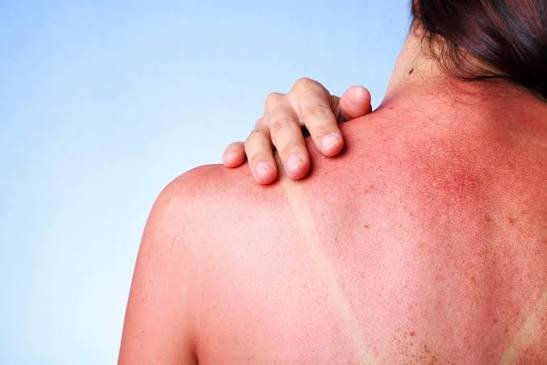
How to treat sunburn: Cool the skin immediately with a 10-to-15-minute cool shower or compress. Apply pure aloe vera or soy moisturizer while skin is damp to trap hydration. Take ibuprofen to reduce internal swelling and pain, drink extra water, and never pop blisters or peel skin.
When we go to a picnic or a long beach day, the main issue we face is sunburn. Even if you apply plenty of sunscreen or avoid high heat, sunburn will persist. Whenever I go to the beach, I always come back with a painful sunburn. I do many things to treat it, as I have very sensitive skin.
If you return from the beach and want to treat sunburn, you’re not alone. The most important factor is to quickly stop the heat damage taking place on the skin layer, soothe intense inflammation, and replenish lost hydration.
While the damage can easily take place in seconds when the skin gets exposed to unprotected UV, the correct home treatment can help in recovery in a short time and prevent issues like peeling, permanent skin damage, or scarring.
Whether you are facing tightness, widespread redness, or painful blistering, understanding how to treat the sunburn safely at home is essential. In this article, we will look at what home remedies you can do at home for sunburn and what steps you can take for pain according to doctors, so let’s start.
Immediate Sunburn First Aid: What to Do in the First 2 Hours
In the first 2 hours, when you realize the sunburn is worse, you can take immediate action because it’s very active, so you can easily calm overactive inflammatory pain pathways and limit deep-tissue fluid loss before extreme swelling occurs.
Step 1: Get Out of the Sun Immediately
The moment you notice you get sunburn, the first thing you need to do is go to the shelter, like a tree, building, or under dense cover away from the sun so no ultraviolet (UV) radiation damages the skin cells more. If you can’t go inside any place near and stay outside, then cover the affected areas with a loose-fitting cloth. Avoid sheer fabrics, as they don’t stop the UV rays from hitting the effective area. If you were swimming, then rinse the body with fresh water because the dry salt and pool chemicals work as harsh irritants on burnt skin.
Step 2: Cool Down the Skin (The Safe Way)
Sunburn skin traps the heat inside the skin tissue layer, leading to thermal stress, which stays longer on the area even after you leave the sun’s place. Lowering this surface temperature is the main task you need to do to stop the burn process and get instant relief.
You can go for both methods, like cool baths or cold compresses; they are effective at extracting heat from the skin. Choosing one of them is based on the size and location of a sunburn.
Cool Baths: If you notice sunburn taking place on different areas of your body, then I recommend you take cool baths. Soaking in a cool bath for 10 to 15 minutes can help cool down large areas without friction. Keep the water temperature cool, not freezing, and also avoid using any harsh soaps, body washes, or bubble baths, as they will make sunburn worse and lead to dryness.
Cold Compresses: If you notice the sunburn only happens on areas like the neck, shoulder, or face, then I recommend you use cold compresses. First soak a clean, soft cloth or towel in cold tap water, then gently use it on effective areas for 10 to 15 minutes. Re-dampen the cloth and use it again.
Why You Should Never Apply Ice Directly to Burnt Skin
This is a common mistake many people make. They apply ice packs, ice cubes, or frozen items to affected sunburn areas, thinking it will give relief; however, it makes the condition worse.
The main reason behind it is the sunburn on skin already compromised blood vessels and made the skin more vulnerable. Extreme cold temperature can narrow the blood vessels and cut off blood supply, leading to localized frostbite on top of a radiation burn.
Placing an ice cube on damage can give quick relief as it freezes the superficial skin cells; however, it causes severe cellular death (necrosis) and too much delay in recovery.
Step 3: Apply the Right Topicals While Skin Is Damp
When treating a sunburn, another thing that plays an important role is the timing of applying topical treatments. When you take a cool bath or apply cool water with the help of a cloth, like the methods we discuss, just after 3 minutes, you can apply a layer of treatments to keep moisture inside.
Apply Light, Soy-Based, or Fragrance-Free Lotion: If aloe isn’t available or you find it’s not working on your skin, then you can go for these lotions. Use unperfumed lotions which have soy, ceramides, or hyaluronic acid. Soy helps in maintaining the moisture balance without trapping heat inside pores.
Spread a topical gel or cream on effective areas with less weight, which means don’t rub it on skin, as it can tear fragile, heat-damaged outer skin layers.
Step-by-Step Home Remedies for Fast Sunburn Relief
While the initial first aid of sunburn focused on lowering the skin temperature, the long-term healing needs active inflammatory management, barrier repair, and internal hydration. You can use these 5 main home remedies, which specifically work for sunburn recovery from inside as well as outside.
1. Pure Aloe Vera Gel & Plant-Based Botanicals
When we talk about the best home remedies for sunburn, aloe vera is on the top of the list; however, with plant-based botanicals, you need to be careful, as they have to work for recovery instead of causing contact irritation.
Pure Aloe Vera Gel: Use 100% pure aloe vera gel that comes from an aloe leaf or non-alcohol source. Aloe contains two compounds, acemannan (a complex carbohydrate) and aloin; they help in skin repair, reduce swelling,, and even inhibit bacterial growth on burnt skin.
Calendula Extract: They are derived from marigold flowers and come in calendula cream or gel; they help in lowering the redness and heat sensation caused by sunburn.
Chamomile Tea Compresses: Chamomile contains natural flavonoids called bisabolol, which help in soothing irritated epidermal tissue. To use this, first add two chamomile tea bags in boiling water, then let it chill in the refrigerator, and soak the cloth in tea and apply it to affected areas.
2. Over-the-Counter Inflammation Relievers (NSAIDs)
Sunburn pain takes place by damage of microscopic tissue because it triggers the inflammatory chemicals called prostaglandins. The tropical lotion can give little relief, but it won’t reduce the pain completely.
Targeted NSAID Therapy: To reduce pain, you can take Nonsteroidal Anti-inflammatory Drugs (NSAIDs) like ibuprofen or naproxen. NSAIDs block the enzyme that is responsible for producing prostaglandins, which means these drugs reduce deep tissue swelling, throbbing pain, and redness.
Timing & Dosage: You can take NSAIDs in the first 2 to 24 hours after getting sunburn. Always follow the package instructions carefully and avoid taking it on an empty stomach.
Note on Acetaminophen: It can help in managing the pain, but it lacks anti-inflammatory properties, so it will not reduce the redness or swelling caused by sunburn.
3. Hydrating from the Inside Out: Fluid & Electrolyte Intake
A severe sunburn can take out the fluid from the rest of the body on the skin surface to assist the tissue repair, so all the other organs face dehydration.
Increase Daily Water Intake: When you get sunburn on your body, drink an extra 2 to 3 liters of plain water daily for the first week so no dehydration takes place in the body parts like the kidney, etc.
Replenish Essential Electrolytes: If you can’t drink a lot of water, then you can use electrolyte solutions like coconut water or oral rehydration salts (ORS). They have main electrolytes like sodium, potassium, and magnesium, which help to retain moisture and prevent muscle issues like cramping, dizziness, and sun-induced fatigue.
4. Medicated Creams for Severe Itching & Redness
If you are facing extreme itching or burning sensations, then obviously you cannot sleep peacefully. For this, you can use over-the-counter corticosteroids to target the immune suppression.
1% Hydrocortisone Cream: You can apply a thin layer on affected areas where no blisters take place at least 2 to 3 times in a day. Hydrocortisone reduces skin cell dilation, swelling, burning, and severe itch.
Don’t apply hydrocortisone to open wounds, broken skin, or intact blisters because it can make the condition worse.
5. Colloidal Oatmeal
Colloidal oatmeal is a finely ground oat powder suspended in liquid; it is known as a skin protectant that helps in restoring the lipid barrier.
In a tub of lukewarm water add 1 cup of pure colloidal oatmeal. Soak for 15 to 20 minutes in it so the milky water covers the affected areas. Oats are rich in beta-glucans and avenanthramides; both compounds help in soothing the protective barrier, lock moisture, and even minimize the skin irritation.
Sunburn Treatment Comparison: What Works vs. What Hurts
When you are dealing with a painful sunburn, applying the wrong home remedy can make the condition worse. Many people use home remedies recommended by people because they work for them; however, not all remedies are for everyone.
The comparison table below details 5 proven remedies that help your skin heal alongside 5 harmful remedies that don’t and can make the burn significantly worse.
| Remedy / Treatment | Safe & Recommended? | Mechanism of Action & Risk Factors |
|---|---|---|
| Pure Aloe Vera Gel |
Works Recommended |
Contains acemannan and aloin to cool skin on contact, suppress inflammation, and accelerate cell repair. |
| Ibuprofen / Naproxen |
Works Recommended |
Blocks COX enzymes internally to stop prostaglandin production, reducing deep tissue swelling, redness, and pain. |
| Cool Water Compresses |
Works Recommended |
Safely draws heat out of damaged skin layers via conduction without shocking tissue or restricting circulation. |
| Colloidal Oatmeal |
Works Recommended |
Avenanthramides and beta-glucans rebuild the skin’s lipid barrier, lock in surface moisture, and calm severe itching. |
| 1% Hydrocortisone Cream |
Works Recommended |
Mild topical corticosteroid that calms intense, nerve-level itching and reduces localized capillary redness. |
| Ice / Ice Packs |
Hurts Avoid |
Triggers extreme vasoconstriction and thermal shock, causing localized frostbite and tissue death on top of the sunburn. |
| Vaseline / Petroleum Jelly |
Hurts Avoid |
Traps residual body heat deep within the dermis, prolonging internal tissue cooking and inflammation. |
| Butter & Cooking Oil |
Hurts Avoid |
Seals in heat, clogs pores, degrades fragile skin tissue, and introduces harmful bacteria into raw skin. |
| Benzocaine / Lidocaine Sprays |
Hurts Avoid |
High rate of allergic contact dermatitis and heightened skin sensitization on heat-damaged epidermal tissue. |
| Apple Cider Vinegar |
Hurts Avoid |
Causes severe chemical stinging, burns, and further destruction of compromised skin cells. |
Common Home Remedies to Avoid (And Why They Worsen Burns)
When you treat sunburn at home, it’s important to keep in mind there are some remedies that can make the condition worse. Sunburned skin is thermally injured, inflamed, and compromised. When you apply improper substances, it disturbs the healing process and leads to the risk of secondary complications.
Why Petroleum Jelly and Heavy Oils Trap Heat
Thick ointments such as petroleum jelly (Vaseline), mineral oil, baby oil, and body creams work perfectly for dry skin; however, they are not suitable for sunburned skin. Sunburned skin works as a radiator, meaning it radiates heat from deep tissue layers. When you apply these heavy creams or oils, they seal the skin surface and let the heat trap inside, which leads to more skin cell damage.
They also block sweat ducts and pores, which lets the tissue become inflamed, swollen, and painfully hot. Burned skin cells need air and hydration to regenerate; these heavy oils create a barrier that slows down the repair process.
When is it safe? You may apply petroleum jelly 5 to 7 days after a sunburn when it is in the peeling phase.
The Dangers of Applying Butter, Vinegar, or Food Items
If we search on the internet, the common traditional remedies come from the kitchen, like for inflammation, swelling, and painful heat. According to clinicians, these food items can cause chemical and biological hazards.
Butter and kitchen oils are nonsterile. Applying it on heat-damaged pores can allow bacteria growth, such as Staphylococcus or Streptococcus; they will make the condition worse. The fats in butter and oil seal the heat just like petroleum jelly.
Some people apply apple cider vinegar or white vinegar to sunburn; it leads to more severe chemical burning, destroys fragile regenerating epidermal cells, and alters the skin’s natural pH (acid mantle).
Another traditional method is applying raw egg whites or raw milk products on affected areas, which trigger localized allergic contact dermatitis or systemic skin reactions.
Why You Should Avoid Numbing Sprays Containing Benzocaine or Lidocaine
Over-the-counter after-sun relief sprays boast fast pain relief as they include benzocaine or lidocaine. While these sprays can numb the skin but dermatologists strongly advise against using these products on sunburns. These sprays have chemical agents that easily cross the epidermal barrier, leading to severe itching, red hives, swelling, and oozing bumps.
These sprays are heavily based on concentrations of denatured alcohol or propellants to deliver the spray. Alcohol strips the moisture from sunburned skin and causes severe burning sensations and drying out of tissue needed for recovery.
How to get rid of sunburn redness overnight?
It is not possible to easily get rid of sunburn overnight; however, you can reduce the effects of it by taking the following steps.
| Time / Stage | Action & Protocol | Why It Reduces Redness Overnight |
|---|---|---|
| 8:00 PM 3 Hours Before Bed | Internal Anti-Inflammatory Take ibuprofen or naproxen (with a light snack or milk). |
Systemic Relief Blocks COX enzymes and internal prostaglandin production, directly stopping blood vessel dilation (the flush) at the root. |
| 8:30 PM Chill Gel | Prep Topical Treatment Place pure, alcohol-free aloe vera gel in the refrigerator. |
Vasoconstriction Prep Pre-chilling the gel provides instant physical vasoconstriction when applied later. |
| 9:30 PM 1.5 Hours Before Bed | Hydrotherapy Cooling Take a 10-minute cool bath or shower (or apply cold water compresses). |
Thermal Extraction Extracts trapped thermal heat from lower dermal layers, narrowing surface capillaries and subduing bright red tones. |
| 9:45 PM 1 Hour Before Bed | Topical Application Gently pat skin damp, then smooth on a layer of chilled aloe vera or soy lotion. |
Moisture Lock Traps surface water in damaged cells without blocking heat loss; acemannan in aloe calms micro-inflammation while you sleep. |
| 10:15 PM 45 Mins Before Bed | Internal Rehydration Drink 16 oz (500 ml) of water mixed with electrolytes or coconut water. |
Fluid Balance Replaces fluids drawn to the skin surface, improving overall circulatory balance and reducing puffy tissue swelling. |
| 11:00 PM Bedtime | Optimal Sleep Setup Sleep on smooth cotton/silk sheets, wear loose clothing, and keep bedroom temp cool (65–68°F / 18–20°C). |
Friction Reduction Minimizes physical friction on fragile skin and prevents middle-of-the-night overheating that triggers flushing. |
How to Handle Sunburn Blisters and Peeling Skin
When the sunburn gets into healing stages, the body starts secondary repair mechanisms: fluid fills the blister to protect the deep tissue damage and takes dead skin away. All you need to do is handle this phase with care to prevent infections, severe scarring, and permanent discoloration.
What to Do When Your Sunburn Blisters (Second-Degree Burn Care)
When sunburn causes a blister, it changes from a normal sunburn to a partial-thickness second-degree burn. The presence of blisters indicates that radiation goes from the outer layer to the deep layer in the skin.
These blisters have fluids inside them, which are made from blood plasma and protective white blood cells, so never pop them because popping can lead to a risk of bacterial skin infections such as Staphylococcus aureus.
You can only protect the blisters by covering the areas with the help of non-stick sterile gauze pads. Avoid sticky bandages.
What to Do If a Blister Pops Accidentally?
Blisters have a habit of popping accidentally, so if it happens in your case, then follow these immediate wound-care steps:
- Clean Gentle & Instantly: Wash the area with the help of lukewarm water or with an antibacterial soap. Don’t scrub or rub the area.
- Leave the Flap Intact: Don’t peel off the blister skin unless it is completely dead.
- Apply Plain Antibacterial Ointment: You can apply over-the-counter antibiotic ointment on exposed areas to keep the area moist.
Sunburn Exfoliation Readiness Guide
| Stage & Condition | Can You Exfoliate? | What Happens If You Do? | Safe Action to Take |
|---|---|---|---|
| Stage 1: Red, Hot, or Painful Days 1–3 |
Too Early Strictly Avoid |
Tears living skin tissue, increases risk of infection, and worsens active inflammation. |
Cool & Hydrate Cool compresses, pure aloe vera, and heavy internal hydration. |
| Stage 2: Blistered or Oozing Days 2–6 |
Too Early Strictly Avoid |
Removes natural biological bandages, exposing raw dermis to bacteria and permanent scarring. |
Protect Barrier Leave blisters intact. Cover loosely with sterile, non-stick gauze. |
| Stage 3: Tight, Flaking, but Sensitive Days 3–5 |
Too Early Strictly Avoid |
Forcefully pulling attached skin flakes creates micro-wounds and dark spots (PIH). |
Moisturize & Snip Apply ceramides or soy-based lotion. Snip only loose, hanging edges with sterile scissors. |
| Stage 4: Dead Skin Peeling Off Naturally Days 6+ |
Safe Gentle Only |
Removes dead surface cells safely without damaging the fresh epidermal layer underneath. |
Gentle Friction Gently circle a damp, soft microfiber washcloth over skin in a cool bath or shower. |
Preventing Post-Inflammatory Hyperpigmentation
Recovered, freshly sunburned skin is highly thin and very vulnerable to post-inflammatory hyperpigmentation (PIH), a condition when the damaged melanocytes overproduce pigment and leave dark brown or red splotchy patches.
Use sunscreen every day; apply sunscreen to any new skin that is exposed. The sunscreen should have zinc oxide or titanium dioxide and have an SPF of 30 or more. Mineral sunscreens sit on the skin so they do not get absorbed. This prevents them from irritating your skin but still shields you from UV rays. Use Barrier Repair Ingredients: Help hydrate the sunburned area with fragrance-free moisturizers that contain ceramides, niacinamide, or hyaluronic acid.
Sunburn vs. Sun Poisoning: When to See a Doctor
While most people just face mild sunburn, which goes away easily in a week, people with extremely sensitive skin do face a condition commonly referred to as “sun poisoning” or bacterial complications.
Understanding when the sunburn changes from a normal, manageable at-home condition to when you need a doctor is important.
Recognizing Symptoms of Severe Dehydration and Heat Exhaustion
Watch the following symptoms of dehydration and heat exhaustion closely:
- Extreme Thirst & Dry Mouth
- Decreased or Dark Urine
Lightheadedness & Muscle Cramps - Nausea & Headache
Red-Flag Symptoms Requiring Emergency Care
There are some other symptoms that can be a red flag and won’t go away naturally or by using any remedy. If you notice the following symptoms, go to the doctor urgently.
- You face a sudden fever of 101°F (38.3°C), and it is uncontrollable.
- You notice a blister take place and cover 20% or more of the total body surface area.
- You feel confused, have slurred speech, extreme lethargy, faintness, or are unable to stay awake.
- Sudden swelling takes place on areas like eyes, lips, throat, or neck.
How to Identify Signs of a Secondary Skin Infection
When the skin blisters or peels, it loses its natural barrier and provides a perfect environment for bacteria such as staphylococcus or streptococcus. This bacterial infection can take place between 24 and 72 hours after the initial burn. Always contact the healthcare professional if you notice any of the following signs:
- Blisters filling with opaque, yellowish-green pus instead of water.
- Thin red lines radiating outward from blistered or peeled areas are near your heart.
- The affected area feels hot, tender, or swollen after 3 days of sunburn.
- Yellowish, honey-colored crusts form on open wounds and have an unpleasant odor.
How Long Does a Sunburn Take to Heal? (Recovery Timeline)
Well, different people get different sunburns, so the time depends on the depth of the thermal injury and how much surface area is affected.
Mild Sunburn (1st Degree): This is a common and mild sunburn causing redness, no blisters, and lasting for 3 to 5 days. You will feel pain for 12 to 24 hours only. It will peel naturally in 4 to 5 days.
Moderate Sunburn: It causes deep red or magenta discoloration and localized swelling (edema), or the skin feels tight when you touch it. Moderate ones last for 5 to 7 days. You will feel the pain and swelling for 48 hours. The shedding phase lasts for 4 to 7 days.
Severe Blistered Sunburn (2nd Degree): It causes intense fiery redness, significant tissue swelling, and fluid-filled blisters from small to large bubbles. You will feel pain, burning, and tenderness for 5 days. Other symptoms include mild chills or fatigue. The shedding face is long, as the blister will first dry out, so the full skin recovery will take place in 3 to 4 weeks.
Government Sources & Citations
- MedlinePlus: Sunburn First Aid & Home TreatmentU.S. National Library of Medicine / National Institutes of Health (NIH)Direct medical guidance on cool compresses, NSAID pain relief, hydration, and avoiding petroleum jelly, ice, or popping blisters.
- CDC: Skin Cancer & Sun Safety Protection GuidelinesCenters for Disease Control and Prevention (CDC)Official public health protocols on managing thermal skin injury, preventing dehydration, and recognizing heat-related illnesses.
- NHS: Sunburn Treatment & Healing AdviceNational Health Service (NHS UK)Government health agency recommendations on cool showers, aloe vera, hydrocortisone care, and warnings against local anesthetic sprays (benzocaine/lidocaine).

Dr. Afsheen Bilal
ARB The Skin Savior • Consultant Dermatologist & Laser SpecialistConsultant Dermatologist with 10+ years experience / MBBS, FCPS (Dermatology), CAA. Consultant Dermatologist / Laser & Aesthetic Physician.
